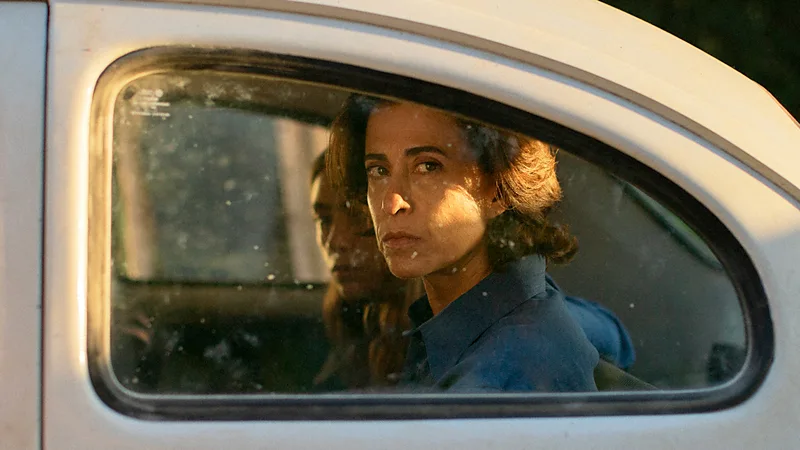
RaMell Ross’ Nickel Boys, adapted from Colson Whitehead’s Pulitzer-winning novel, explores the lingering scars of systemic racism in the United States. The film’s innovative narrative structure and poignant storytelling earned it nods for best picture and best adapted screenplay. Similarly, Sean Baker’s Anora and Greg Kwedar’s Sing Sing spotlight the lives of sex workers and incarcerated men, providing thoughtful commentary on the human cost of inequality.
Science Fiction and Period Dramas with a Message
Even genre films like Dune: Part 2 have embraced political subtext. Nominated for five awards, including best picture, Denis Villeneuve’s epic explores themes of leadership, religion, and power, making it more than just a visually stunning blockbuster.

Period dramas also shine this year. Nickel Boys and The Brutalist revisit historical injustices while drawing connections to present-day challenges. These films highlight how the past continues to shape modern society, reinforcing their relevance to today’s audiences.
A Turning Point for the Oscars?
The prominence of politically charged films raises the question of how this tone will carry into the Oscars ceremony itself. Historically, acceptance speeches have tread lightly on divisive issues, but this year’s nominees may inspire a different approach. With films that tackle corruption, inequality, and identity at the forefront, the ceremony could become a platform for impactful statements.